
Hiking is a wonderful outdoor activity that allows you to immerse yourself in nature, explore new landscapes, and challenge yourself physically. Whether you are a seasoned hiker or just starting out, one thing is certain — having the right gear can make or break your hiking experience. When it comes to choosing hiking gear, one often overlooked but crucial item is blister hiking socks.
Blister prevention is a top priority for hikers, as blisters can turn a delightful hike into a painful ordeal. The right hiking socks can significantly reduce the risk of blisters, keep your feet dry and comfortable, and enhance your overall hiking experience. In this comprehensive guide, we will walk you through everything you need to know to choose the perfect blister hiking socks.
Importance of Proper Hiking Socks
Prior to delving into the specifics, let us understand the reason why hiking socks are essential for blister prevention and overall foot health. Hiking is a high-impact activity that subjects your feet to constant friction, moisture, and pressure. If your feet are not adequately protected, blisters can form as a result of the repeated rubbing of the skin against the footwear.
Proper hiking socks serve multiple functions:
Moisture Management — Hiking socks are designed to wick moisture away from your skin and evaporate it quickly, keeping your feet dry. Moisture is one of the leading causes of blisters, and dry feet significantly reduce the risk.
Cushioning and Support — The right socks offer cushioning to absorb shocks and reduce pressure on your feet during the hike. They also provide additional support to reduce fatigue and discomfort.
Friction Reduction — Hiking socks often have seamless construction and are made of specialized materials to minimize friction and rubbing against your skin and footwear.
Temperature Regulation — The right wool socks for hiking help regulate temperature, keeping your feet warm in cold weather and cool in hot conditions.
Materials Matter
The choice of materials plays a crucial role in determining the performance of hiking socks. Several materials are commonly used, each offering distinct advantages:
Merino Wool — Merino wool is a popular choice for hiking socks due to its excellent moisture-wicking properties, natural odor-resistance, and ability to regulate temperature. Merino wool socks keep your feet dry, comfortable, and blister-free.
Synthetic Fabrics — Synthetic materials like nylon, polyester, and spandex are often blended to create durable, quick-drying, and stretchy socks. These materials are lightweight and offer good moisture management.
Blends — Many hiking socks combine merino wool with synthetic materials to capitalize on the benefits of both. These blends often result in soft, comfortable, and high-performance socks.
Cotton (Avoid it!) — While cotton socks are comfortable for everyday use, they should be avoided for hiking. Cotton retains moisture, leading to wet feet and an increased risk of blisters.
Sock Height and Cushioning
Hiking socks come in various heights, ranging from ankle-length to knee-length. The height you choose depends on personal preference, weather conditions, and the type of terrain you will be hiking on.
Ankle-Length Socks — These socks are lightweight and provide adequate coverage for short hikes or in hot weather. They are well-suited for low-cut hiking shoes and trail running shoes.
Quarter-Length Socks — Also known as crew socks, they offer more protection than ankle-length socks and work well with mid-cut hiking boots.
Calf-Length Socks — Calf-length socks provide additional coverage and are suitable for rugged terrains and taller hiking boots.
Knee-Length Socks — Knee-length socks are ideal for extreme conditions, such as snow hiking or bushwhacking through dense vegetation.
Along with sock height, mull over the cushioning level. The best hiking socks for men with additional cushioning provide extra support and comfort for long hikes or when carrying heavy backpacks. However, if your hiking shoes already have substantial cushioning, you might prefer thinner socks for a better fit.
Fit and Size
Getting the right fit and size for your hiking socks is crucial. Ill-fitting socks can bunch up, lead to friction, and increase the risk of blisters. The following are a few tips to help stumbling on the perfect fit:
Sizing Chart — Refer to the manufacturer’s sizing chart to determine your sock size accurately. Sizes may vary between brands, so always check prior to purchasing.
Try Before You Hike — If possible, try on the socks with your hiking shoes before hitting the trail. Walk around the store to make sure they fit snugly without causing any discomfort.
Toe Seams and Heel Cups — Look for socks with flat or minimized toe seams to keep away from irritation. Heel cups help keep the sock in place and prevent it from sliding down.
Elasticity — Check for the right amount of elasticity in the cuff of the sock to make sure it stays up without being too tight.
Activity and Season-Based Considerations
Your choice of hiking socks may also vary depending on the season and the type of hiking you plan to do:
Summer Hiking — In hot weather, opt for lightweight and breathable socks with moisture-wicking properties to keep your feet cool and dry.
Winter Hiking — In cold conditions, choose socks with additional insulation to keep your feet warm. Merino wool socks for hiking are an excellent option for winter hiking due to their natural warmth.
Multi-Day Hiking — For extended hikes or backpacking trips, mull over bringing extra pairs of socks. Some hikers prefer to wear a thin moisture-wicking liner sock under a thicker hiking sock to reduce friction and moisture buildup.
Hiking Socks Care and Maintenance
Caring for your hiking socks properly will extend their lifespan and maintain their performance:
Washing — Follow the manufacturer’s washing instructions to preserve the elasticity and moisture-wicking properties pf the socks. Steer clear of making use of fabric softeners, as they can hinder the ability of the sock to wick moisture.
Drying — Air-drying is the best option for hiking socks. Keep away from using high heat, as it can damage the elastic fibers.
Replace Regularly — Even the best hiking socks wear out over time. Replace them when you become aware of the signs of wear, thinning, or loss of cushioning.
Final Thoughts
Choosing the perfect blister hiking socks can significantly enhance your hiking experience and prevent painful foot issues. Mull over the materials, height, cushioning, fit, and intended use to find the ideal pair for your hiking adventures. Investing in quality hiking socks is an investment in your foot comfort and overall enjoyment of the great outdoors. So, gear up, find the right pair of socks, and hit the trails with confidence! Happy hiking!
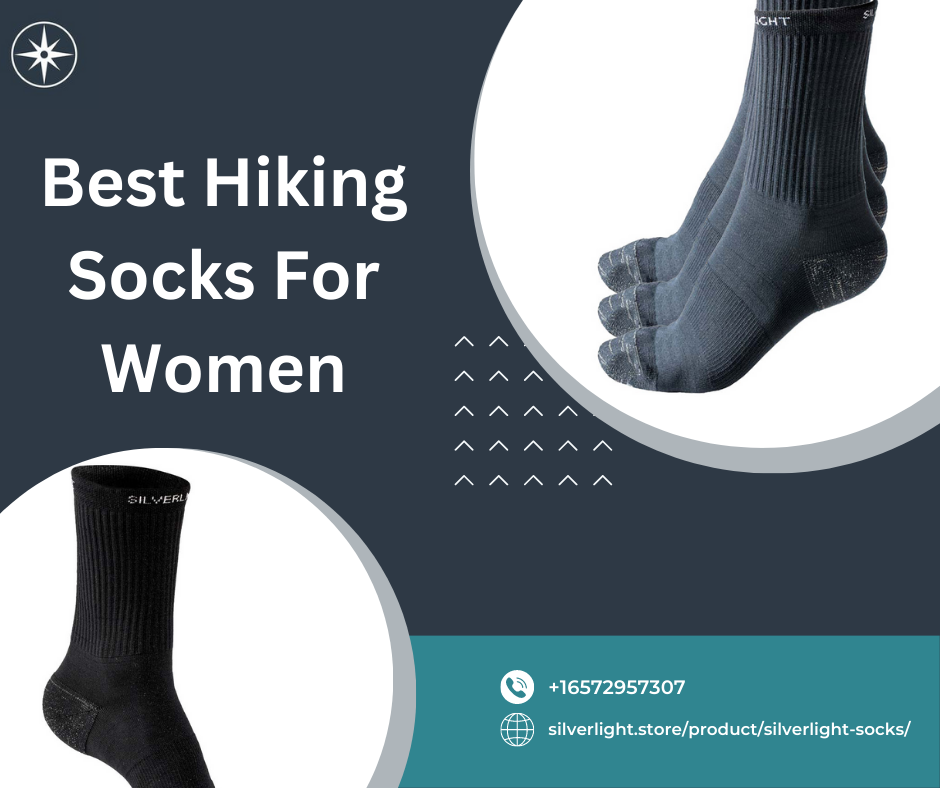
Remember, even though hiking socks are essential, however, they are just one part of the equation. Silverlight offers the best hiking socks to prevent blisters at affordable prices. Make sure to have well-fitting hiking shoes or boots and pay attention to foot care during your hikes. With the right gear and precautions, you can fully enjoy the beauty and serenity of nature on your hiking journeys.


Write a comment ...